Bream fishing forecast

When do bream bite?

There is no single best hour for bream. BiteRadar forecasts bream activity hour by hour for the spot you choose. It depends most on water temperature and air pressure, and activity peaks in water around 14–22 °C.

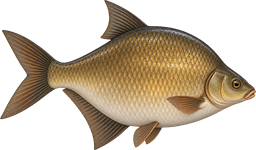
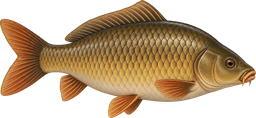
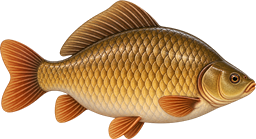
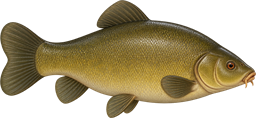
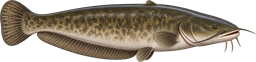
Bream · Abramis brama

Bream (Abramis brama)

What the forecast looks at

The forecast combines water temperature with the weather: light and time of day, air pressure, wind and rain. Each species reacts to them differently, so the same day can suit one fish and not another. This is planning guidance, not a guaranteed bite.

Water temperature

  • Most active in water around 14–22 °C.
  • In colder water activity slows down gradually.
  • Above the optimum activity drops, and in very warm water it falls sharply.

Best times of day

  • Dawn
  • Dusk
  • Night

Exact hours shift every day with sunrise, sunset and weather.

How to use this forecast

  • The forecast is planning guidance, not a guaranteed bite. Habitat, stocking, fishing pressure, tackle and local conditions still matter.
  • BiteRadar does not use moon phases or solunar tables. The forecast is built from weather data and water temperature for the selected spot.

Questions and answers

What time of day is best for bream?

In the BiteRadar model, dawn, dusk and night are usually the best times for bream. The exact hours change every day with light, weather and water temperature, so check the hourly forecast for your spot.

What water temperature is best for bream?

Most active in water around 14–22 °C. In colder water activity slows down gradually. Above the optimum activity drops, and in very warm water it falls sharply. Other conditions can still raise or lower activity on a given day.

Does air pressure affect bream?

Yes. Air pressure is one of the factors in this forecast, but it never decides a bite on its own.

Check today's bream forecast for your spot

Free forecast for today, hourly activity and a species ranking for the water you fish.

BiteRadar Fishing forecast Download